半導體 (Semiconductor)
解決方案與軟體
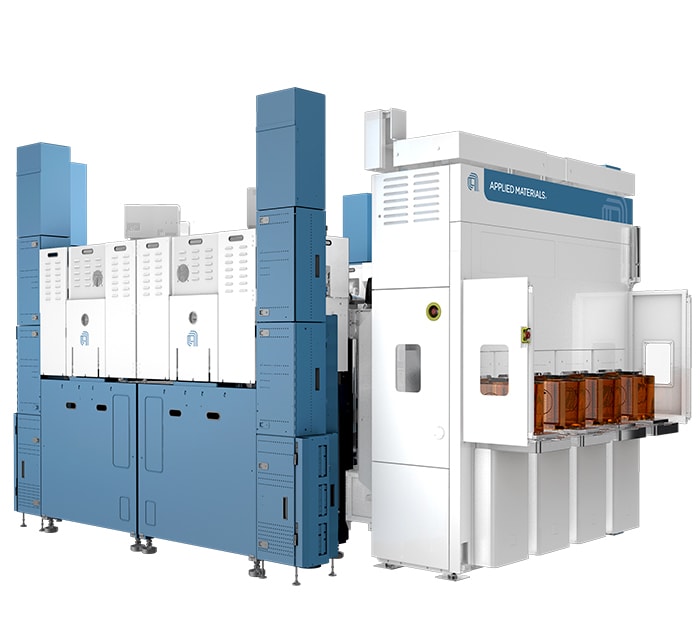
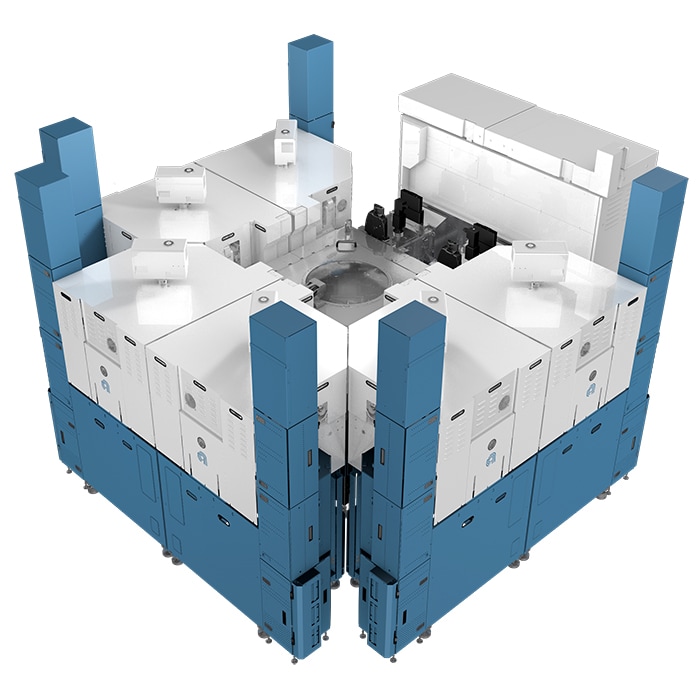
As AI and high‑performance computing continue to accelerate, advanced logic designs employing gate-all-around (GAA) transistors are hitting a critical resistance bottleneck at the interface with wiring above. The nanoscale contacts at these interfaces can have a significant influence on overall chip performance and energy efficiency. The Applied Centris™ Spectral™ Mo ALD system directly addresses this challenge by depositing molybdenum – a material that maintains excellent electron transport even at extreme scaling – to unlock faster, more power‑efficient devices.
At advanced nodes, traditional contact materials lose effectiveness as shrinking dimensions increase resistivity and degrade device performance. The Spectral Mo ALD system overcomes these limitations by delivering atomic-level control for bottom-up monocrystalline molybdenum. This approach leverages decades of leadership in selective materials processing to enable smaller contacts while preserving conductivity. The result is an additional 15% reduction in critical contact resistance beyond the industry’s benchmark selective tungsten solution, delivering meaningful performance and power gains for next‑generation logic designs.
As device architectures evolve toward GAA, CFET, and increasingly 3D integration, contact engineering will play an even bigger role in sustaining performance scaling. The Centris Spectral ALD platform is designed with this future in mind by providing a foundation that extends well into upcoming nodes and new device types.
Press Release:
Perspectives:
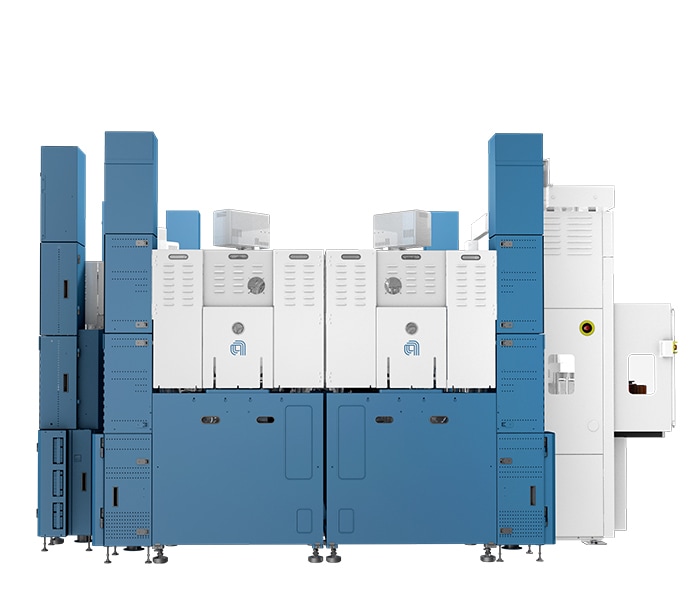
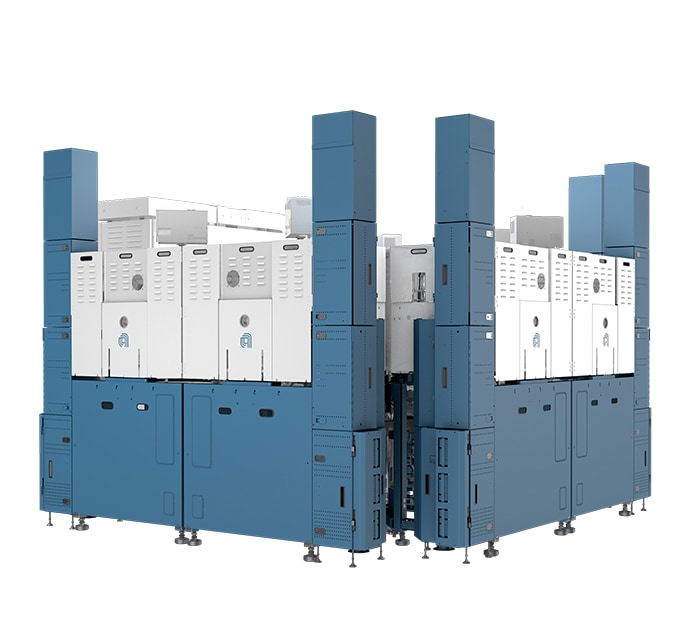
Applied Centris Spectral Mo ALD System